Sardulgarh · Punjab
Krishna Enterprises is a biomass pellet plant machinery manufacturer based in Sardulgarh, Punjab. We design, build and install the shredders, mills, dryers and pellet presses that turn wheat straw and paddy stubble into fuel — plus the plant layout, spares and training that keep them running.

Why This Matters
Every October, the same ten-day scramble repeats across the state — and most of that residue goes up in smoke instead of into a fuel bunker.
Paddy straw produced across Punjab every single year, by most published estimates.
Commonly estimated share of that residue still burned in the open each harvest.
The typical window between paddy harvest and wheat sowing — the reason burning feels like the only fast option.
Why Krishna
We didn’t start as a machine seller. We started with wheat straw, a shredder that kept jamming, and a plant we had to fix ourselves. Every machine we build now carries that experience.
Plant layout, machinery, installation and commissioning handled as one project, not separate vendors.
Founded by people who’ve operated a working pellet line — not just engineers reading a spec sheet.
Wear parts, dies and rollers engineered for the abrasiveness of Punjab’s paddy and wheat straw.
We train your operators ourselves and stay reachable long after the plant is running.
“We’ve stood in a field during that ten-day window, watching neighbours burn what we now turn into fuel. That’s the whole reason Krishna Enterprises exists.”
— The Krishna Enterprises Team, Sardulgarh
Full-Service
From the first layout sketch to the part that gets a jammed line running again.
Custom CAD layouts planned around your shed, your feedstock and your throughput target.
Eight machine types — shredders to dryers — engineered for continuous industrial duty.
On-site alignment, wiring and trial runs handled by our own engineering team.
Hands-on sessions so your own team can run, adjust and maintain the line confidently.
A phone call away when a die needs changing or a belt needs tensioning mid-shift.
Ready stock of cutters, screens, dies and rollers so downtime stays measured in hours.
The Line
Straw goes in one end of the shed. Bagged fuel comes out the other. Here’s everything in between.
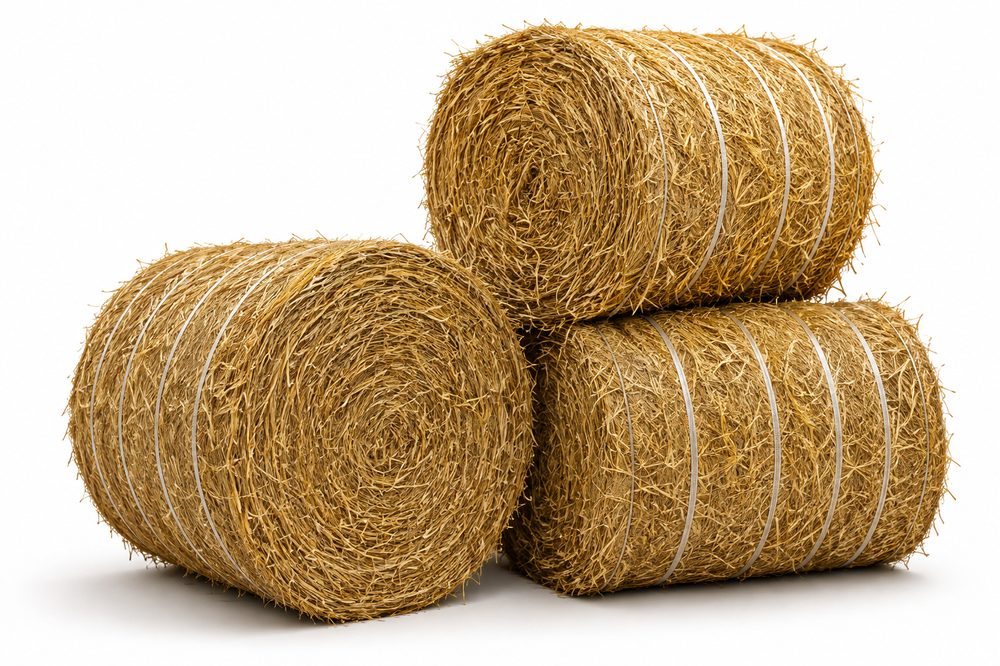
Wheat straw, paddy stubble, agri-waste intake
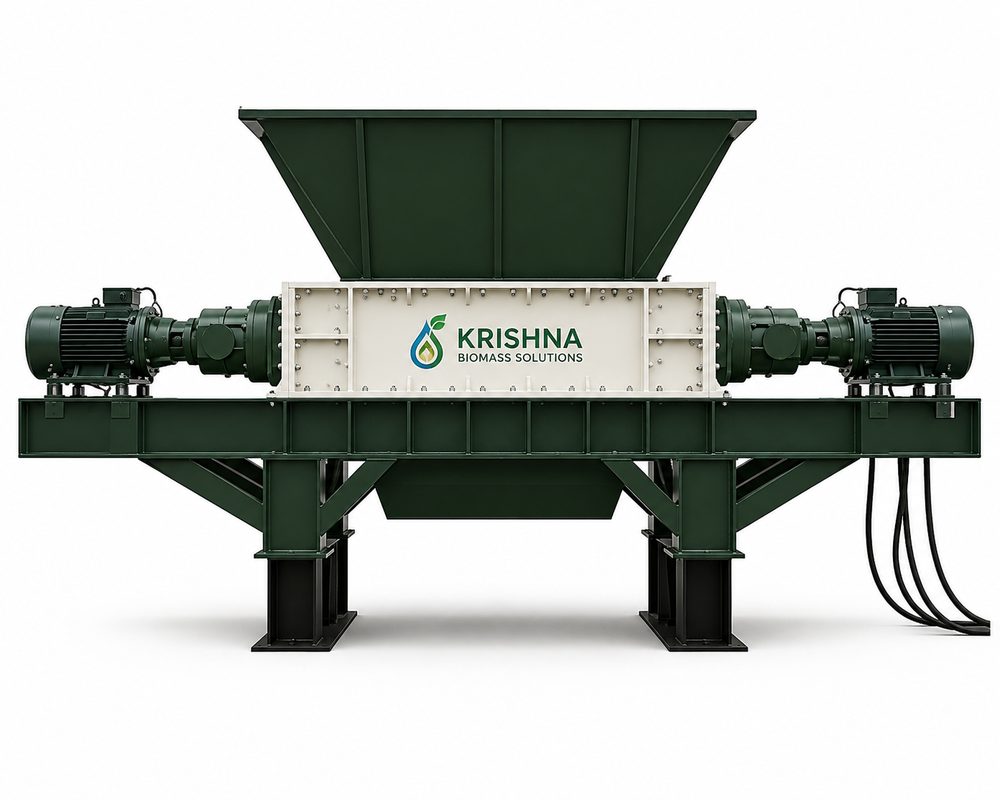
Dual-roller shredder reduces bulk material
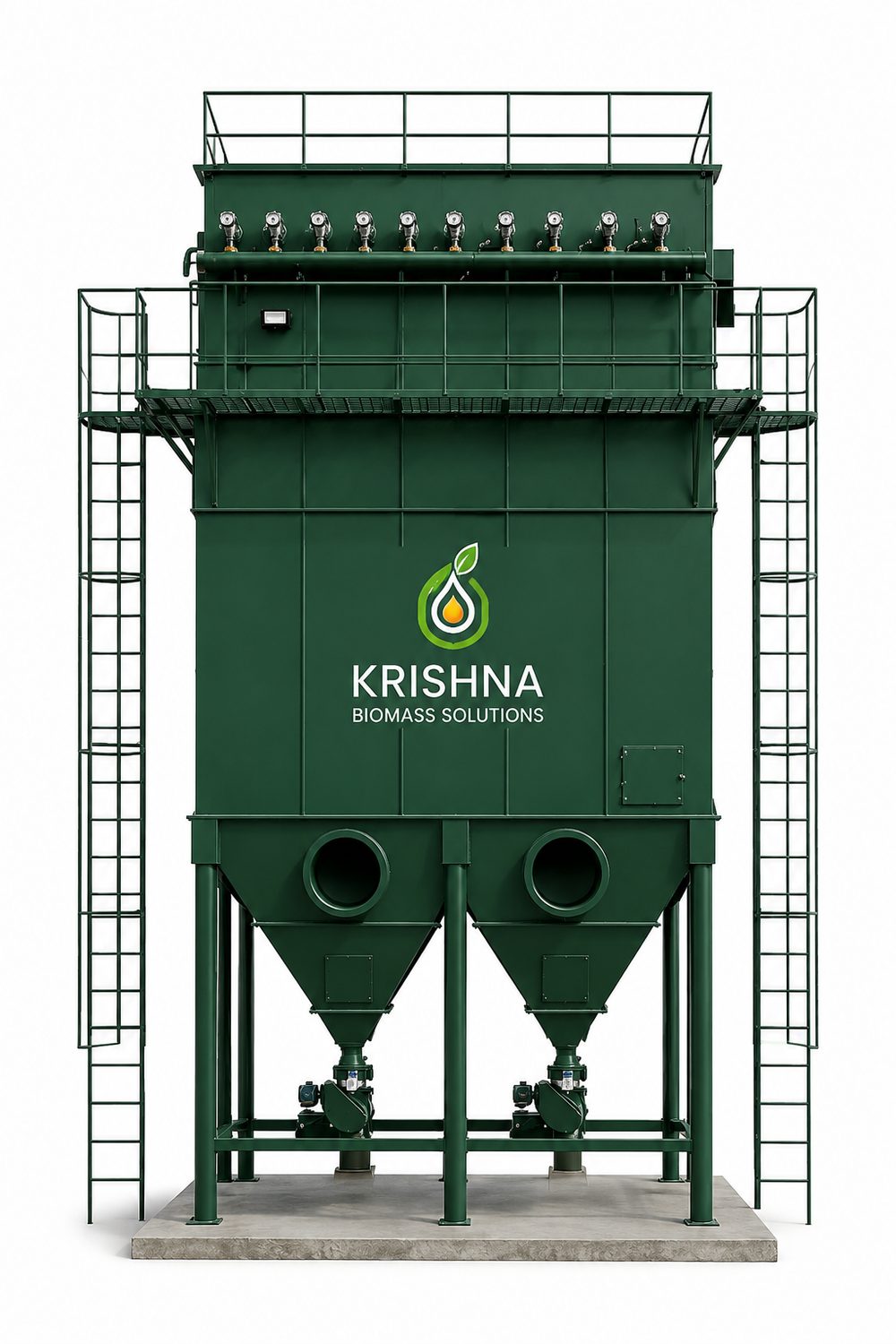
Dust extraction keeps air clean, compliant
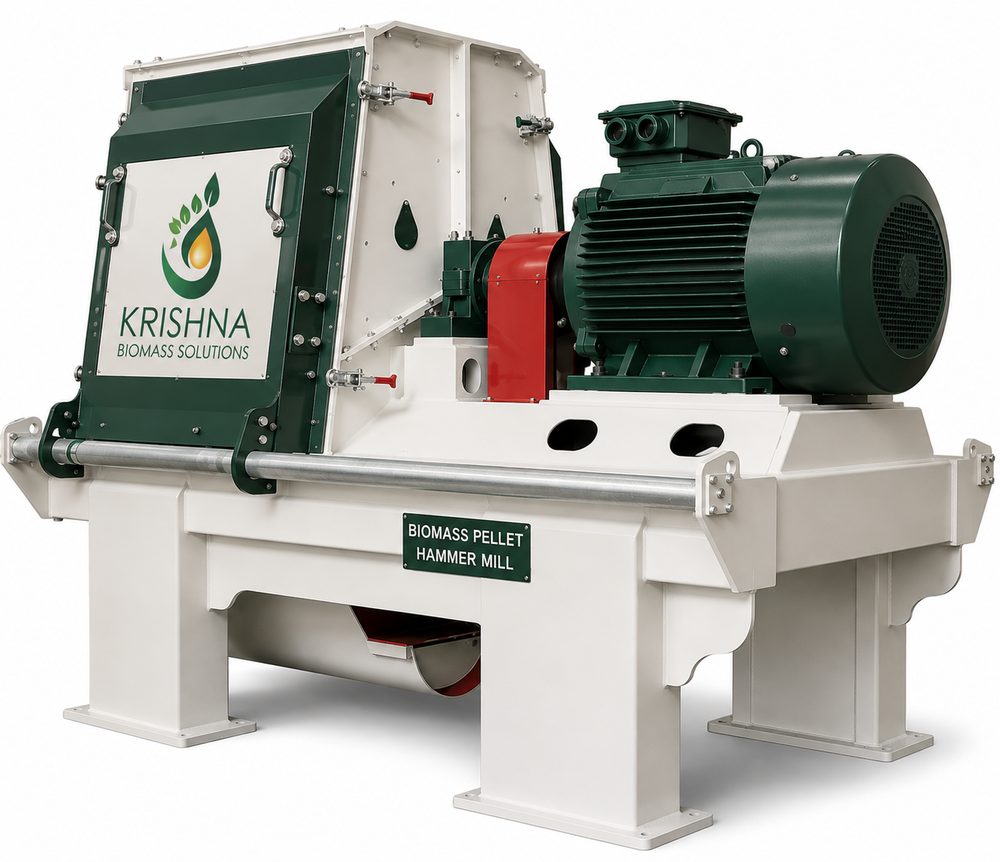
Grinds shredded biomass into fine powder
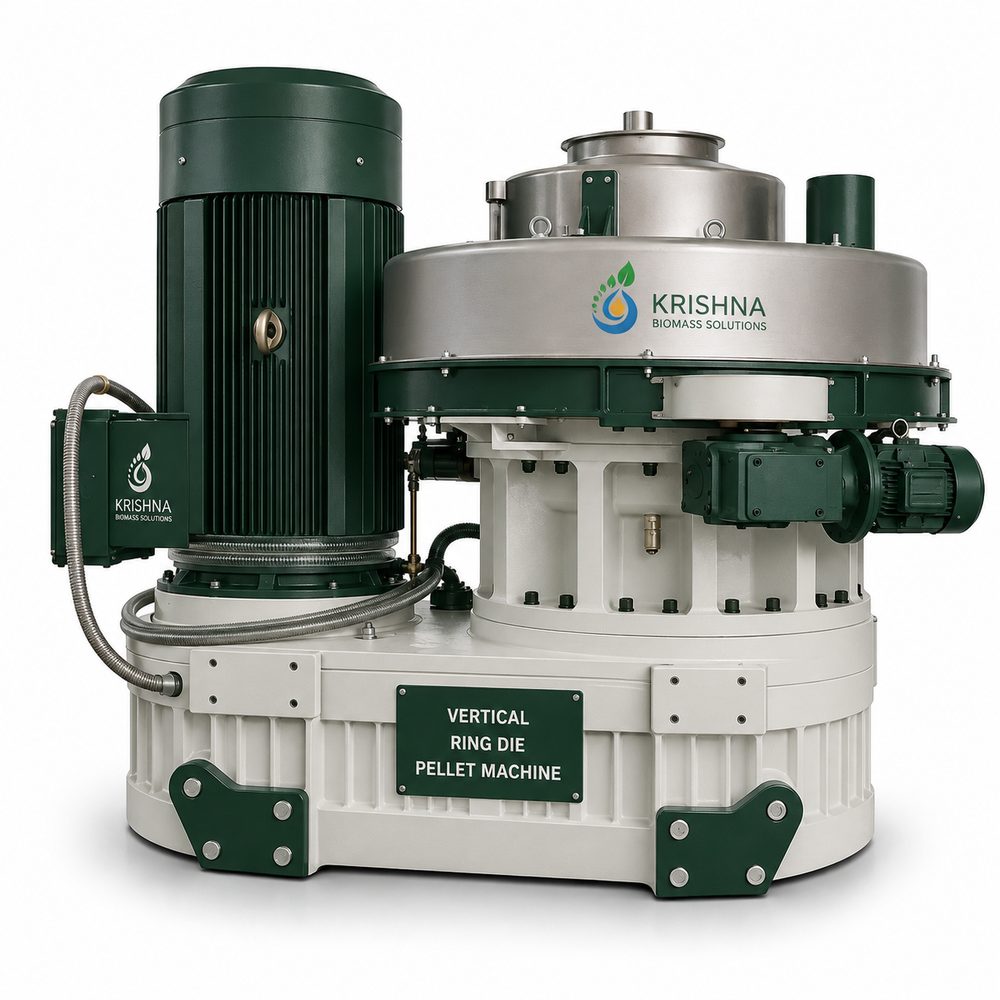
Ring-die press compresses powder into pellets
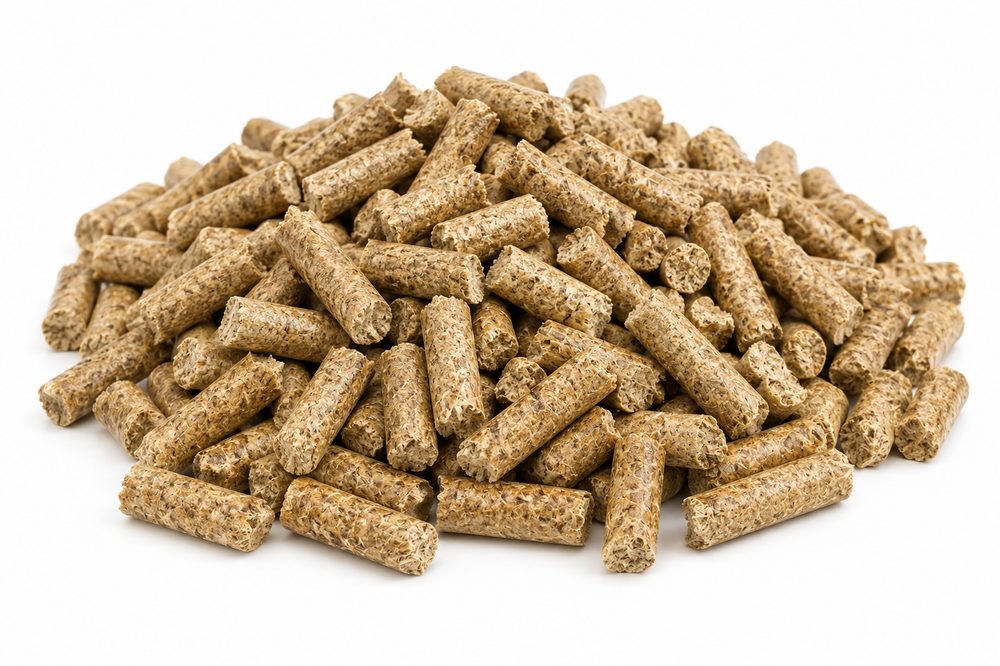
Cooled, screened and ready to bag or ship
Common questions from plant owners and buyers planning a biomass pellet line in Punjab and across India.
A ring-die biomass pellet machine forces biomass through a rotating cylindrical die with radial holes, using rollers pressed against the inside of the die to compress and extrude pellets. Compared to flat-die machines, ring-die pellet mills handle higher volumes and run cooler over long shifts, which is why they’re the standard for continuous biomass pellet plants.
Biomass pellet machine prices in India vary widely depending on capacity, die material, and whether you need a single machine or a full turnkey line. Contact us with your target output and feedstock and we’ll quote based on your actual requirement rather than a generic price list — see our contact page for a quote.
Yes — our spare parts (ring dies, roller assemblies, bearings, oil seals) are built to be compatible with Yulong-style ring-die pellet mills and most other ring-die machines using the same standard dimensions. We’re not a Yulong dealer or distributor; we manufacture compatible replacement parts so you’re not stuck waiting on imported spares.
Capacity depends on your feedstock volume and target output — a small farm-level operation might need a 1-2 ton/hour machine, while a commercial biomass pellet plant often runs 3-5 tons/hour or more. Tell us your daily feedstock volume and target output and we’ll recommend the right machine size for your plant.
Yes, our spare parts catalogue covers components compatible with most ring-die biomass pellet machines on the market, not just our own machinery — ring dies, roller assemblies, bearings, oil seals and mechanical hardware. Send us your machine’s die diameter and roller specs and we’ll confirm compatibility before you order.
A flat-die pellet machine pushes biomass through a flat, horizontal die using rollers on top — simpler and cheaper, but limited in output and prone to more wear. A ring-die pellet machine uses a rotating cylindrical die with rollers pressed from inside, giving higher throughput, better heat dissipation, and longer runtime, which is why most commercial biomass pellet plants use ring-die machines.
Installation and commissioning time depends on the scope — a single machine typically takes a few days to install and test, while a full turnkey biomass pellet plant can take a few weeks depending on site readiness and civil work. We handle setup and commissioning on-site so your line is running at target output before we leave.